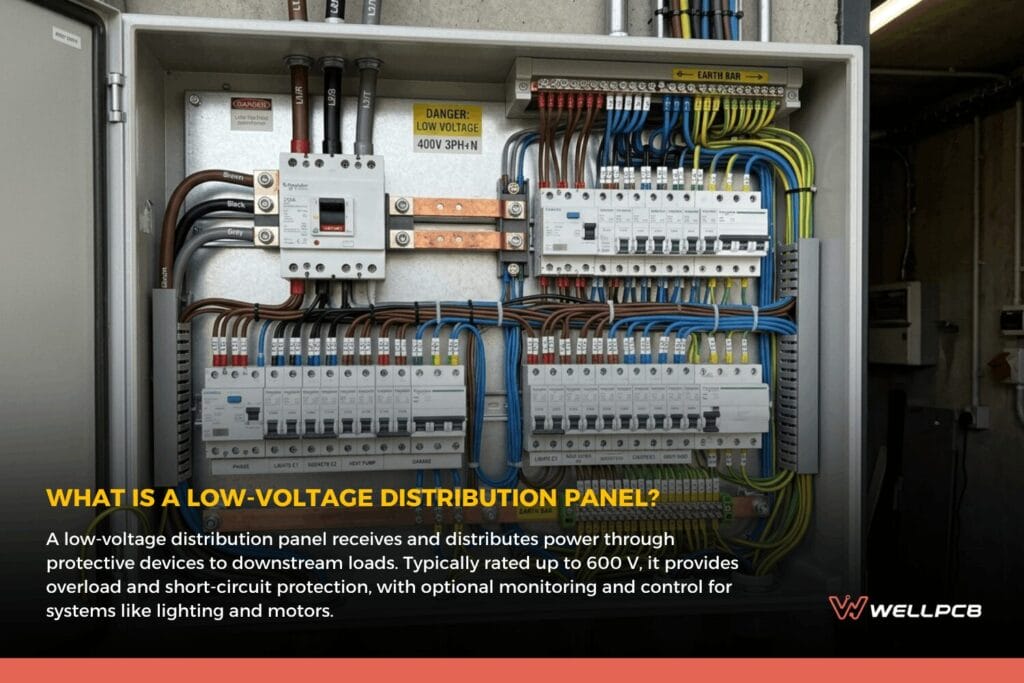
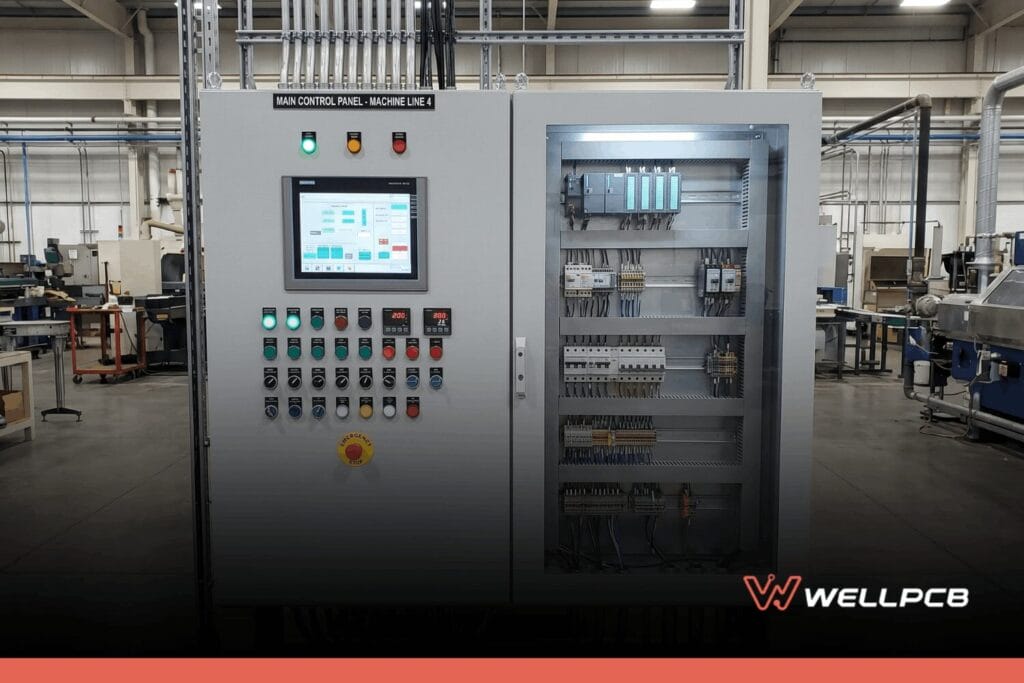
Many electrical control panel design problems stay hidden until commissioning reveals them on-site, by which point rework is expensive and delays are measured in days, not hours. A panel that passes a cursory check can still fail in the field if heat calculations were skipped, power and signal wiring share the same routing paths, or SCCR data is missing from the documentation package.
Each of these issues is preventable at the design stage. This guide covers what a structured electrical control panel design review examines, where existing panels most commonly fall short, and how targeted improvements reduce long-term service risk. At the end of the day, a disciplined review catches issues before fabrication locks mistakes into hardware.
Contents
What is Electrical Control Panel Design?
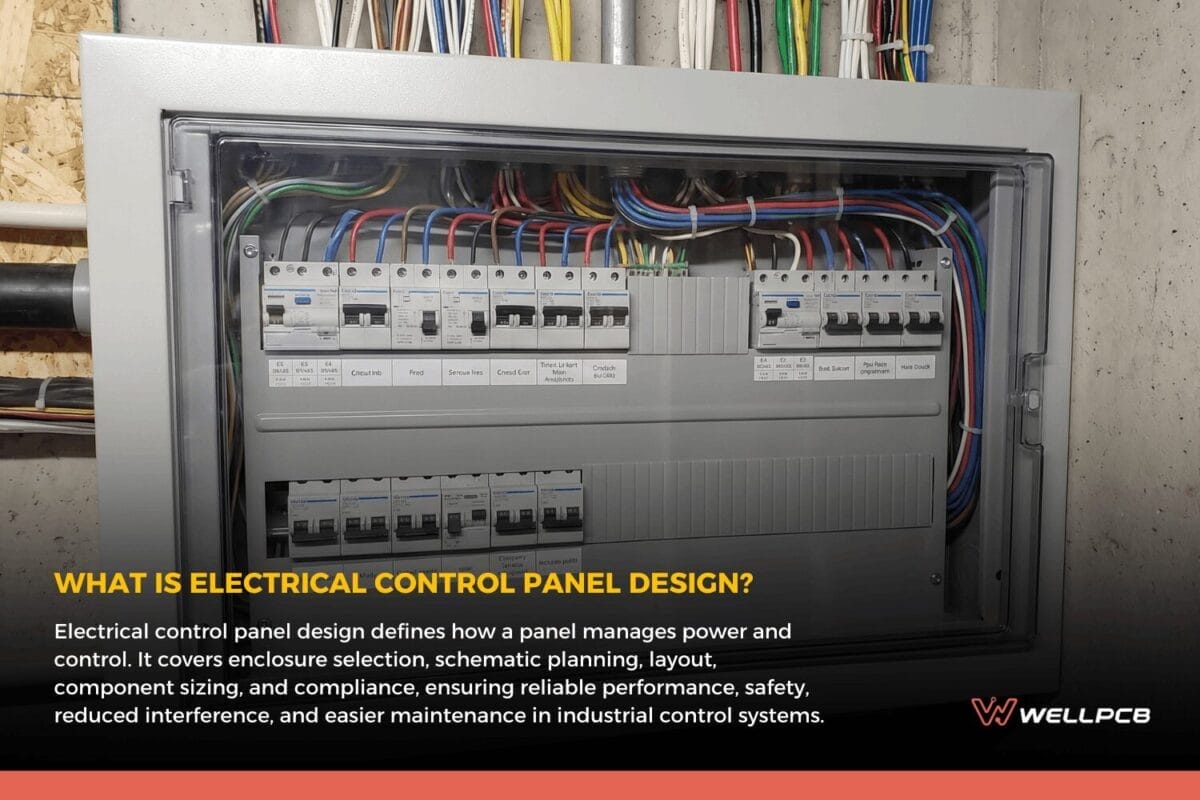
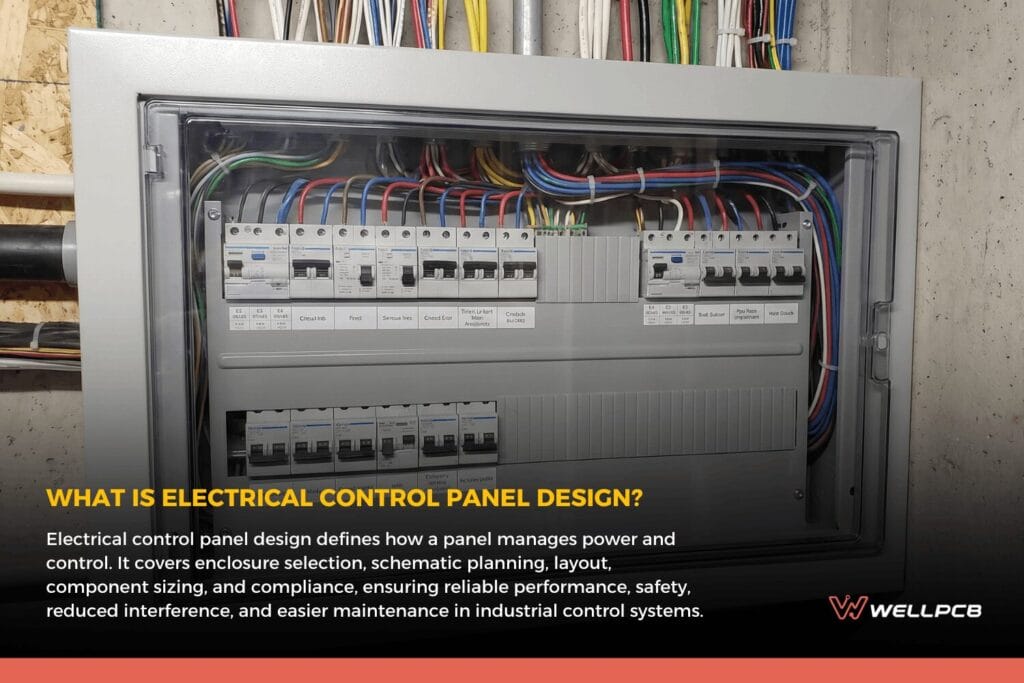
Electrical control panel design defines how a panel manages power and control. The design process starts with the enclosure choice because an incorrect rating shortens service life in harsh conditions.
Engineers build the electrical schematic around load demands and the required protection for safe operation. A well-designed layout separates sensitive wiring from power conductors, reducing noise and speeding troubleshooting. Circuit breakers and power supplies must fit within the programmable logic controller’s duty cycle without crowding it.
Regulatory checks then confirm the assembly meets UL 508A before release. A well-designed electrical panel board improves reliability and supports safer operation of industrial control panels.
Key Focus Areas in a Panel Design Review
The primary objective is to verify the panel can operate safely and reliably under its specified conditions. Early review tests panel layout and wiring against heat loads and maintenance demands. Clear checks on spacing and documents show whether the industrial control panel will stay serviceable after installation.
Safety and regulatory compliance
Safety begins with the fundamental principle of separating power conductors from control wiring. The review verifies that circuit protection—breakers and fuses—is correctly rated for the available fault current. Engineers meticulously cross-reference the electrical schematic with the physical layout to enforce code-compliant spacing and branch protection. Clear, complete markings are non-negotiable, as they enable technicians to isolate circuits safely without guesswork. A robust compliance review ensures the final panel is not only buildable but also safe and serviceable for its entire lifecycle.
Thermal management and component placement
The thermal review starts with heat output from the power supplies and drives. Poor control panel design crowds hot devices together and restricts airflow inside the enclosure. Technicians check spacing around contactors or drives because trapped heat raises internal temperature and shortens component life early.
Ambient conditions matter when dust or washdown limits passive cooling during normal production cycles. A proper panel enclosure rating must balance contamination control with ventilation needs before heat damage becomes chronic.
A thermal review must confirm component placement before fabrication, as these layout decisions become permanent once the build begins. Better placement decisions protect uptime and reduce service failures during operation.
Space optimization and accessibility
Space review starts with clearances and duct paths around terminals first. Neat wiring needs usable trunking space and bend radius control near service points. Technicians check whether the control panel layout leaves room for labels and later circuit changes during maintenance work.
Technicians need working space when doors open or when removable sections slide out for service. Logical grouping of control components shortens diagnostics because each circuit sits where maintenance staff expects it to be on-site later.
Extra access space reduces wire damage during installation and supports safer future modifications. Accessible layouts make the control panel easier to build and service.
Maintainability and future expansion
Maintainability review checks whether the control panel can grow safely. Technicians look for spare terminals and enough DIN-rail room for additions later on. Free duct capacity matters because future I/O cards or feature changes should not force a rewiring job.
Diagnostic access matters just as much when faults appear during production support later. Clear wiring labels and documented test points let technicians isolate problems faster without opening every section during service.
A strong design process leaves room for change and keeps troubleshooting under control after on-site startup. Better access and spare capacity make the panel layout easier to support.
The Electrical Control Panel Design Review Process
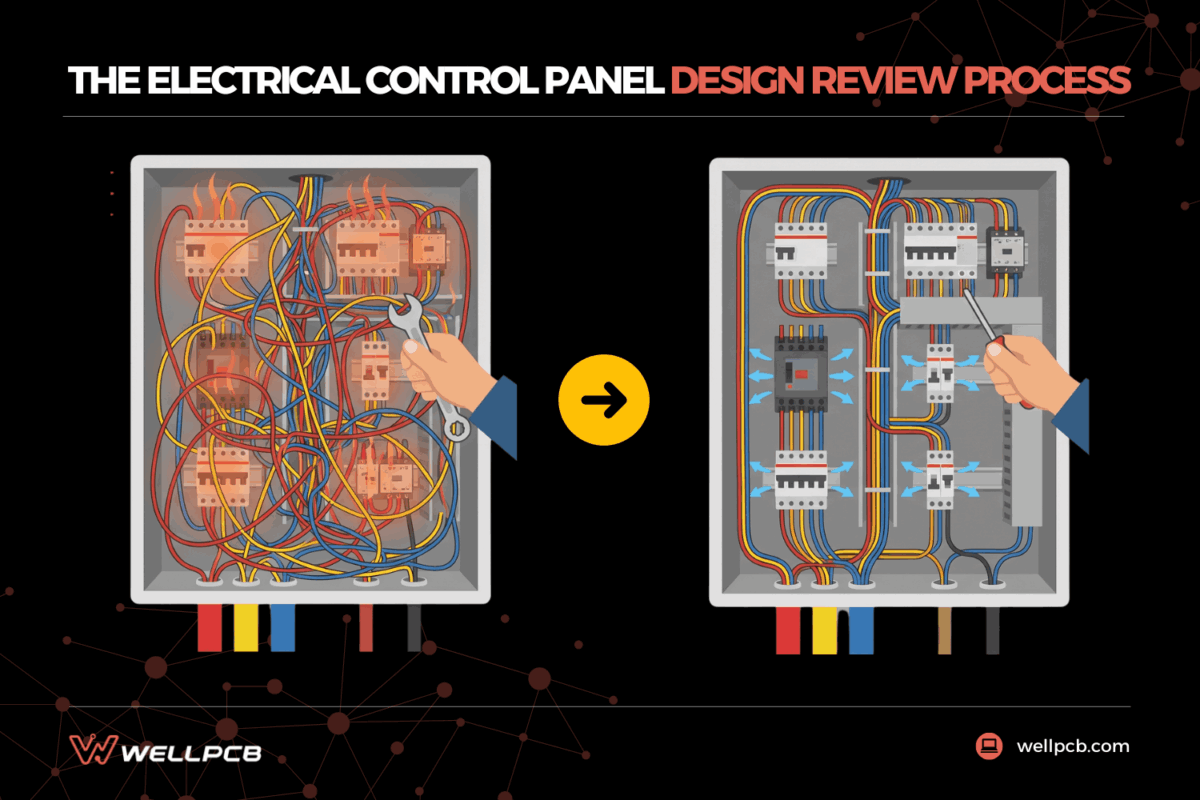
A disciplined electrical control panel design review process reduces build risk. Engineers check released documents and manufacturability before the first panel is built in production. Shorter review loops cut rework because errors surface in drawings, not in finished hardware during production.
Input Package for Review
A review starts with complete and controlled inputs. Technicians need bill of materials (BOMs), electrical schematic files, and panel layout drawings before checks begin.
Environmental requirements and applicable standards then frame the design requirements for build quality and later maintenance. A structured package supports quality control because approvals link to a single released baseline and expose missing data before fabrication begins.
In practice, incomplete inputs are one of the most common sources of mid-build rework. A missing component revision or an uncontrolled schematic version can require reassembly of sections that passed initial inspection. Controlling the input package before review starts separates a smooth build from one that stalls at the assembly stage.
Step‑by‑step design documentation review
Documentation review starts with completeness across every controlled file. Compare the electrical schematic with the physical layout to ensure tags and ratings align.
Safety checks then verify spacing, segregation, and panel enclosure selection against the electrical code requirements. Manufacturability review is followed by testing the cable entry space against wiring routes and service access for the control panel assembly.
Pre‑build and post‑build quality checks
Pre-build checks tie released drawings to the approved parts list. Engineers confirm revision control and panel layout sign-off before production begins.
Post-build inspection compares finished hardware with the same design process records and approved deviations. Visual checks and functional tests close the loop, keeping the control panel aligned with documented intent throughout the build.
Recommendations for Improving an Existing Panel Design
Targeted upgrades can improve the control panel without forcing a full rebuild. A focused retrofit plan fixes risk areas first and preserves the existing panel layout where it still supports safe operation.
- Upgrade environmental protection: Reassess the enclosure rating and seals if dust, washdown exposure, or corrosive air now exceed the original design requirements. Better housing protects internal wiring and helps the industrial control panel handle harsher service conditions.
- Reduce vibration-related faults: Check terminals near heavy equipment, as vibration can loosen conductors and cause intermittent failures during operation. Better ferrules and anti-vibration hardware keep control components secure and support a more reliable control panel design.
- Strengthen power-quality protection: Add surge protection and confirm bonding to prevent spikes and electrical noise from reaching the programmable logic controller or other sensitive devices. Stronger protection improves electrical control panel design where unstable power threatens uptime.
- Improve serviceability: Add internal lighting, better labels, and a consistent facility color code so technicians can read the panel layout faster during maintenance. Clear access and identification make the control panel easier to troubleshoot.
- Refine thermal control: Check fan direction and heat zones to ensure cool air enters at the bottom and hot air exits at the top within the panel enclosure. Temperature alarms then warn operators before heat buildup damages the electrical system.
How Manufacturing Partners Support Better Panel Performance
An experienced manufacturing partner acts as a crucial final check, improving control panel performance by reviewing documentation for buildability, safety, and testability before production begins. This collaborative process catches layout conflicts, unclear wiring details, and potential standards violations before they become expensive assembly errors or cause inspection delays. While final design responsibility remains with the OEM or system designer, this practical review significantly reduces risk before a single component is mounted.
WellPCB exemplifies this partnership model. We support your project from the design stage through to finished assembly, meticulously reviewing build documents for layout conflicts, wiring clarity, and standards compliance. With two dedicated assembly facilities IPC 610 Class 3 certification governing the build process, each panel is inspected and tested against the approved design before it leaves the factory. WellPCB handles panel builds, wire harness fabrication, cable assembly, and component sourcing from a single point of contact – removing the vendor coordination that typically slows down complex builds.
Contact WellPCB to build your control panel assembly with certified manufacturing support that helps move your approved design into reliable field performance.
Electrical Control Panel Design FAQs
How does panel layout affect long‑term maintenance?
A clear panel layout makes each control panel easier to service over time. Technicians can trace wiring and replace devices faster when circuits follow a logical structure. Proper separation between power and control reduces service errors and supports safer troubleshooting during maintenance.
Can design mistakes be fixed after panel construction?
Some control panel design mistakes can be corrected after construction. Labeling errors or minor wiring changes need limited rework, but incorrect ratings or missing clearances can require major changes. A structured design process reduces that risk by catching issues before panel assembly begins.
Are thermal issues common in control panel designs?
Thermal issues are common in control panel design when layouts crowd heat sources together. Poor airflow within the enclosure raises internal temperatures and shortens component lifespan during operation. Early review of spacing and ventilation helps the industrial control panel run more reliably.
Do documentation gaps increase the risk of panel failure?
Yes, documentation gaps increase the risk of control panel failure because builders rely on the electrical schematic and labels to correctly assemble and service panels. Missing revisions or unclear markings increase errors and weaken quality control during maintenance.
Back to Top: Electrical Control Panel Design: Review and Recommendations